

Tips for Staying Warm in Extreme Cold Weather
Working outdoors in cold weather can be tough, but with the right approach you can stay safe and comfortable on the jobsite. The North American Safety team is sharing eight practical tips to help you fend off the chill and avoid cold-related injuries this winter.
1. Recognize Cold Stress Symptoms
Before heading out into cold conditions, it’s important to understand the signs of cold-related health issues. Knowing what to look for can help you act quickly if you or a coworker starts showing symptoms. Common cold stress problems include:
- Frostbite: Skin that looks white or gray-yellow, feels hard or waxy, and may blister in severe cases.
- Hypothermia: Signs include uncontrollable shivering, extreme fatigue, confusion, shallow breathing, and loss of coordination.
- Trench Foot: Redness, swelling, numbness, and blisters on feet exposed to cold, wet conditions.
2. Plan Work for Warmer Hours
Whenever possible, schedule physically demanding outdoor tasks for the warmest parts of the day — typically between late morning and mid-afternoon. This helps reduce how long you’re exposed to extreme cold. Keep an eye on the weather as conditions can change quickly.
3. Wear Appropriate Cold-Weather Gear
Regular street clothes aren’t enough when temperatures drop. Choose work clothes designed to resist moisture, wick sweat, and provide insulation. Good winter work gear helps keep you dry and prevents heat loss even when it’s wet or windy.
4. Protect Your Head, Hands & Feet
A surprising amount of body heat is lost through extremities, so make sure these areas are well covered:
- Gloves: Water-resistant and breathable options help keep hands warm while letting you work comfortably.
- Boots: Insulated, water-resistant boots with good traction keep feet dry and prevent slips.
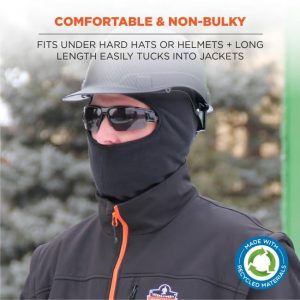
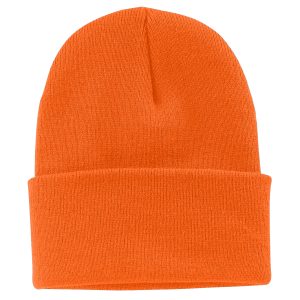
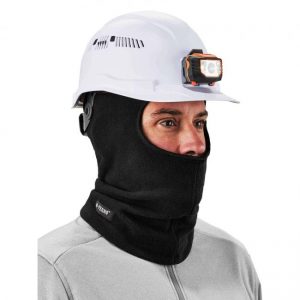
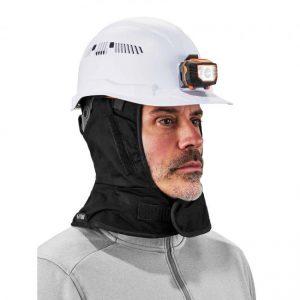
- Headwear: Hats or balaclavas that cover your head, ears, and face help retain heat; liners can be added under hard hats.
5. Layer Your Clothing
Dress in layers so you can adjust based on activity and conditions:
- Base layer: Moisture-wicking fabric that keeps sweat off your skin.
- Mid layer: Insulating layer that traps warmth.
- Outer layer: Wind- and water-resistant shell that protects against snow, rain, and biting winds. Combining visibility features with insulation is ideal for safety and comfort.
6. Take Shelter When You Can
If your jobsite has a heated trailer or building, step inside periodically to warm up. If you’re in a remote area, a pop-up tent with sidewalls can offer a wind break and a place to warm up or dry off.
7. Fuel Your Body with Warm Food & Drinks
Eating warm, satisfying meals at lunch — like pasta or soups — helps maintain energy. Warm beverages can also help your body stay warm, but avoid drinks with alcohol or caffeine, as they can contribute to dehydration. Adding electrolytes to warm water is another option to stay energized.
8. Use Skin Creams as a Protective Barrier
Cold and wind can dry out your skin and lead to irritation. Applying barrier creams or moisturizers helps protect exposed skin from chapping and chafing caused by cold conditions.
Below, you’ll find our Warming Products which – when paired with other warm weather gear such as insulated gloves, premium winter jackets, and insulated winter bibs – can help prevent cold weather injuries.
-
Safety Products, Top Selling Winter Apparel!, Warming Products
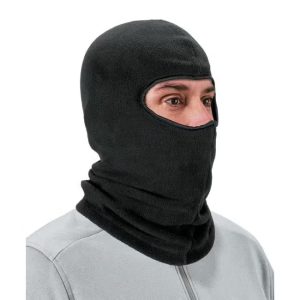
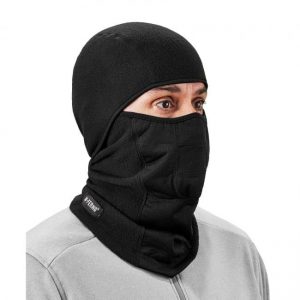
Ergodyne – N-Ferno Recycled Balaclava Face Mask – Black – 6821
Original price was: $8.75.$5.99Current price is: $5.99. -
Safety Products, Top Selling Winter Apparel!, Warming Products
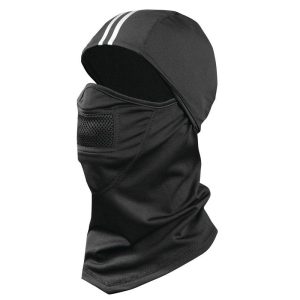
OccuNomix – Performance Stripe Balaclava – SS260
Original price was: $19.16.$12.50Current price is: $12.50.Select options This product has multiple variants. The options may be chosen on the product page -
Safety Products, Top Selling Winter Apparel!, Warming Products
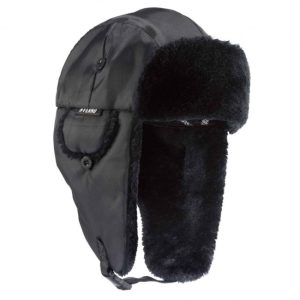
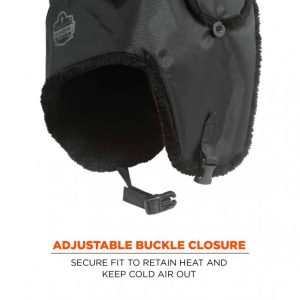
Ergodyne – N-Ferno Classic Trapper Hat – Black – L/XL
Original price was: $37.45.$24.99Current price is: $24.99. -
Hats, Safety Products, Top Selling Winter Apparel!, Warming Products
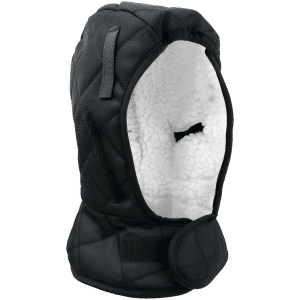
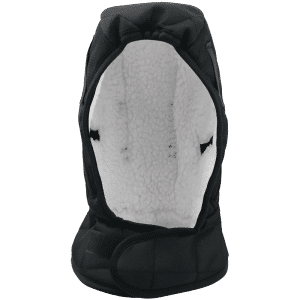
Global Glove – Sherpa-Lined Insulated Three Layered Quilted Winter Liner – OSFM – WL520
Original price was: $9.99.$8.50Current price is: $8.50. -
Warming Products, Safety Products
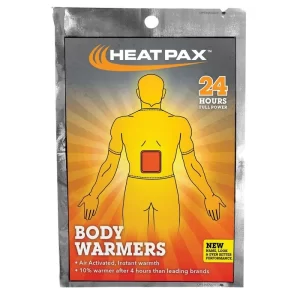
Heat Pax – Body Warmers
Original price was: $1.99.$1.00Current price is: $1.00. -
Safety Products, Warming Products
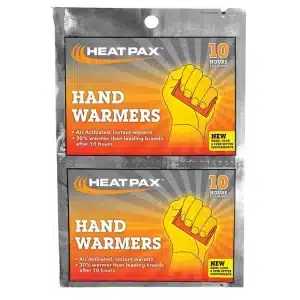
Heat Pax – Hand Warmers
Original price was: $1.99.$0.75Current price is: $0.75. -
Safety Products, Warming Products
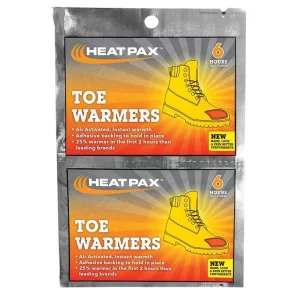
Heat Pax – Toe Warmers
Original price was: $2.50.$1.25Current price is: $1.25. -
Hats, Safety Products, Warming Products
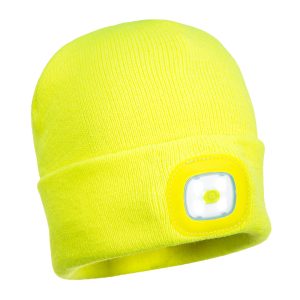
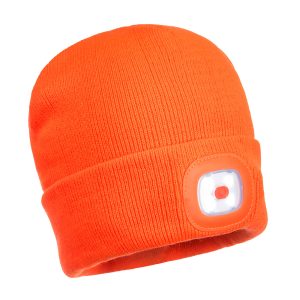
Port West – Beanie LED Head Lamp USB Rechargeable – B029
Original price was: $20.00.$9.99Current price is: $9.99.Select options This product has multiple variants. The options may be chosen on the product page -
Hats, Safety Products, Top Selling Winter Apparel!, Warming Products
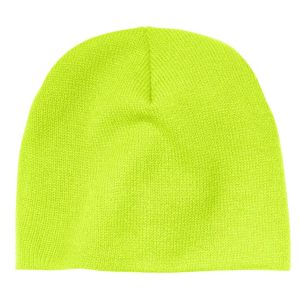
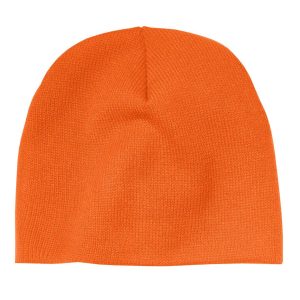
Soft Acrylic Beanie – 8 1/2″ – NAS 91
Original price was: $10.00.$5.00Current price is: $5.00.Select options This product has multiple variants. The options may be chosen on the product page -
Hats, Safety Products, Top Selling Winter Apparel!, Warming Products
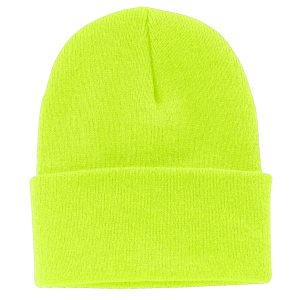
Soft Acrylic Beanie 12″ – NAS 90
Original price was: $10.00.$5.00Current price is: $5.00.Select options This product has multiple variants. The options may be chosen on the product page -
Safety Products, Top Selling Winter Apparel!, Warming Products
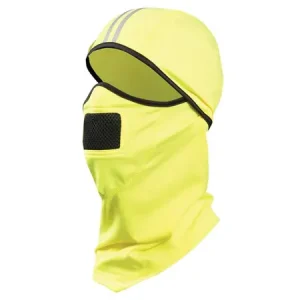
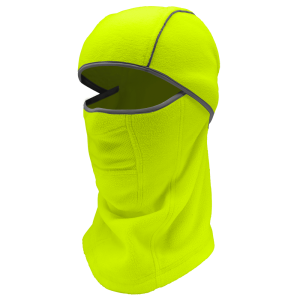
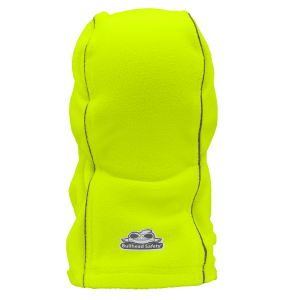
Bullhead Safety™ Winter Liners High-Visibility Yellow/Green, Shoulder-Length, Multifunctional, Hinged Thermal Balaclava – WL310-YG
Original price was: $15.00.$11.50Current price is: $11.50. -
Accessories, Helmets, Safety Products, Top Selling Winter Apparel!, Warming Products
N-Ferno® – Balaclava Face Mask – Wind-Proof, Hinged Design – 6823
Original price was: $19.99.$15.99Current price is: $15.99.Select options This product has multiple variants. The options may be chosen on the product page -
Accessories, Safety Products, Warming Products
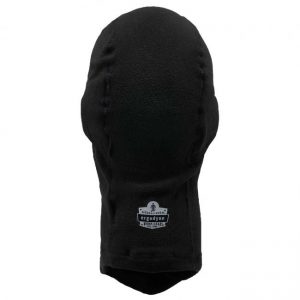
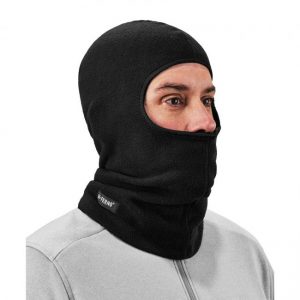
N-Ferno® 6821 Balaclava Face Mask – Fleece
Original price was: $7.25.$4.99Current price is: $4.99. -
Accessories, Helmets, Safety Products, Top Selling Winter Apparel!, Warming Products
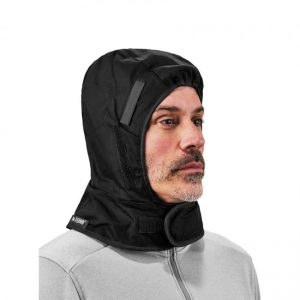
N-Ferno® – Winter Hard Hat Liner – 2-Layer, Fleece-Lined, Cotton Shell, Shoulder Length – 6852
Original price was: $12.05.$8.99Current price is: $8.99.


Leave a Reply
You must be logged in to post a comment.